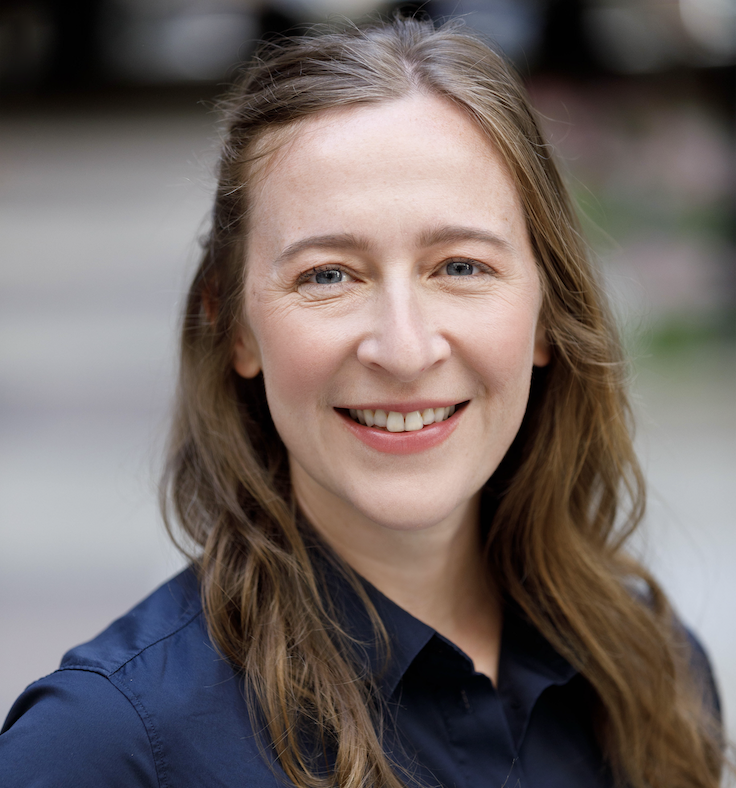
This blog post was written by Becca Hartman-Pickerill, Director of Civic Health, CFLeads.
Toward a Flourishing Future: 2026 Community Foundations for Civic Health Summit
What would it look like for solutions to rise above politics, for funders and practitioners to share the stage, and for every corner of the country to gather under one roof? Where could you connect with community foundations spanning rural, suburban, and urban footprints; staffs ranging from one to fifty; and small, medium and large granting portfolios? The answer to both is the same – the 2026 Community Foundations for Civic Health Summit.
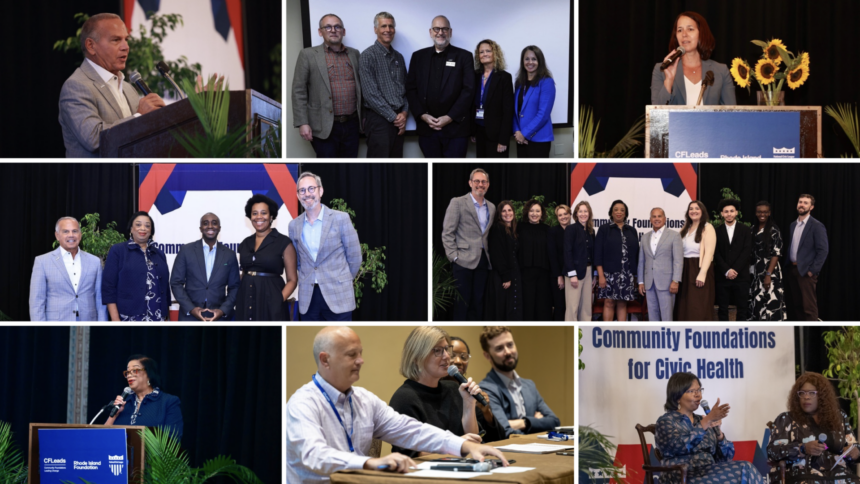
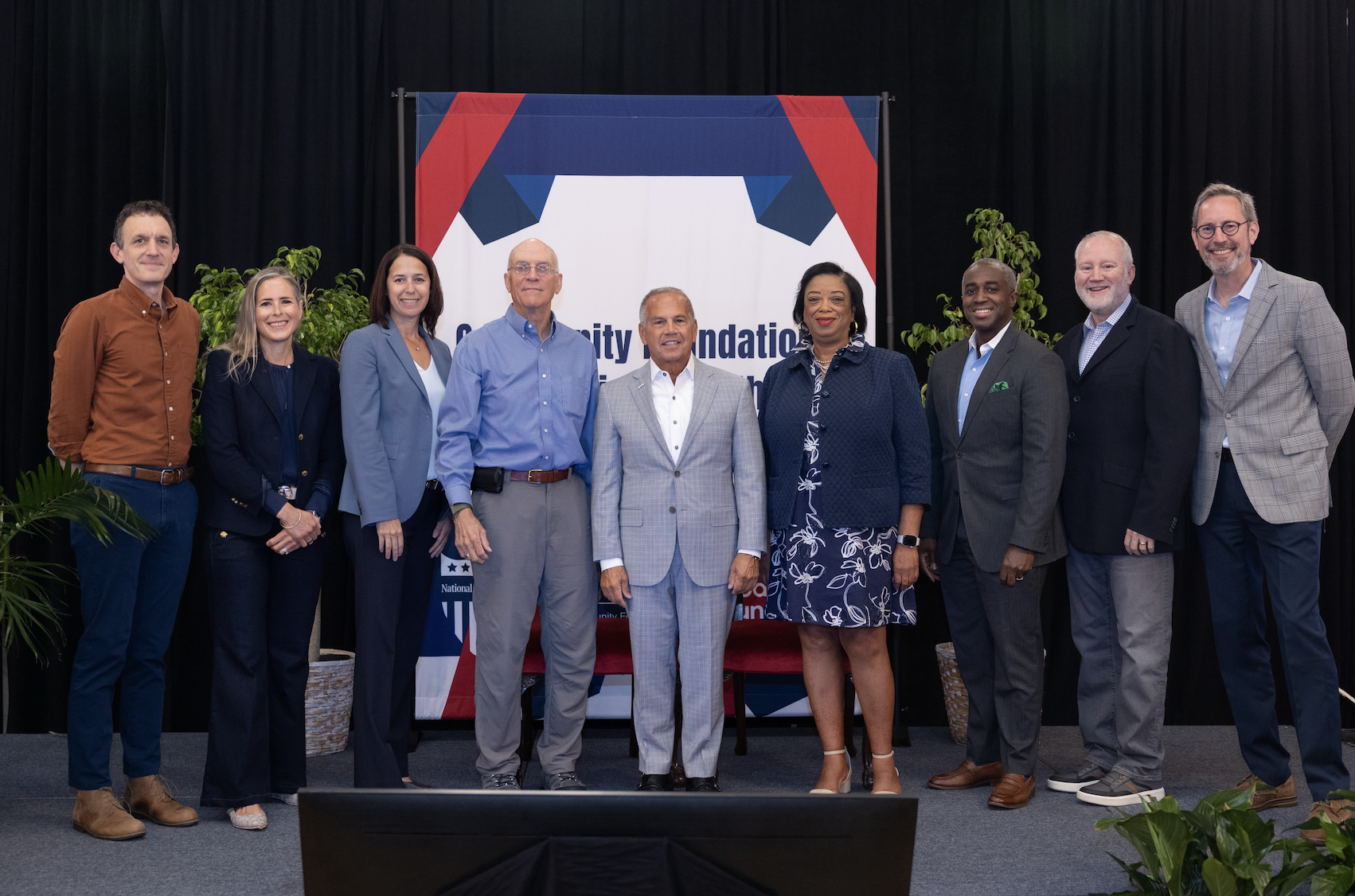
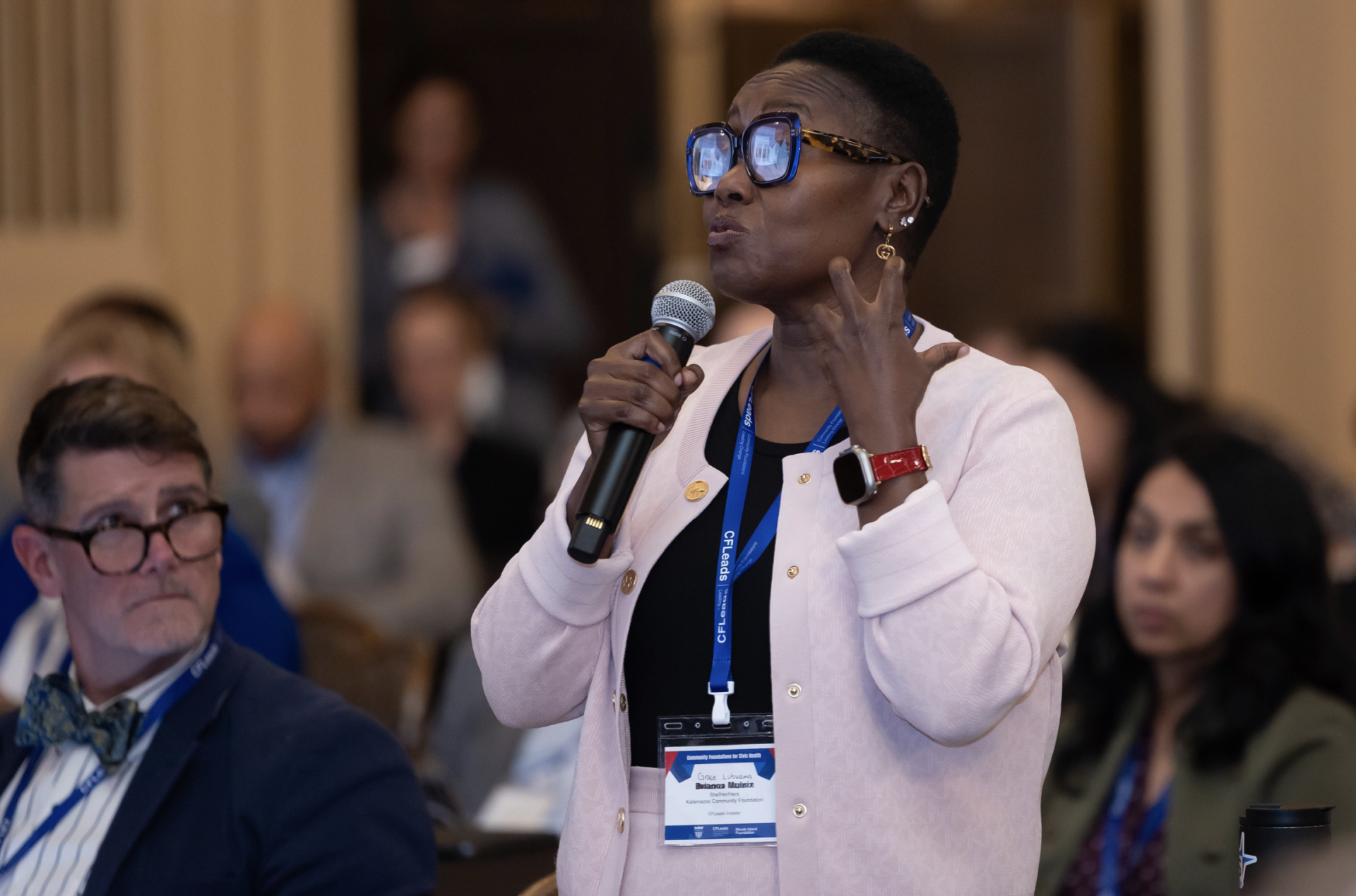
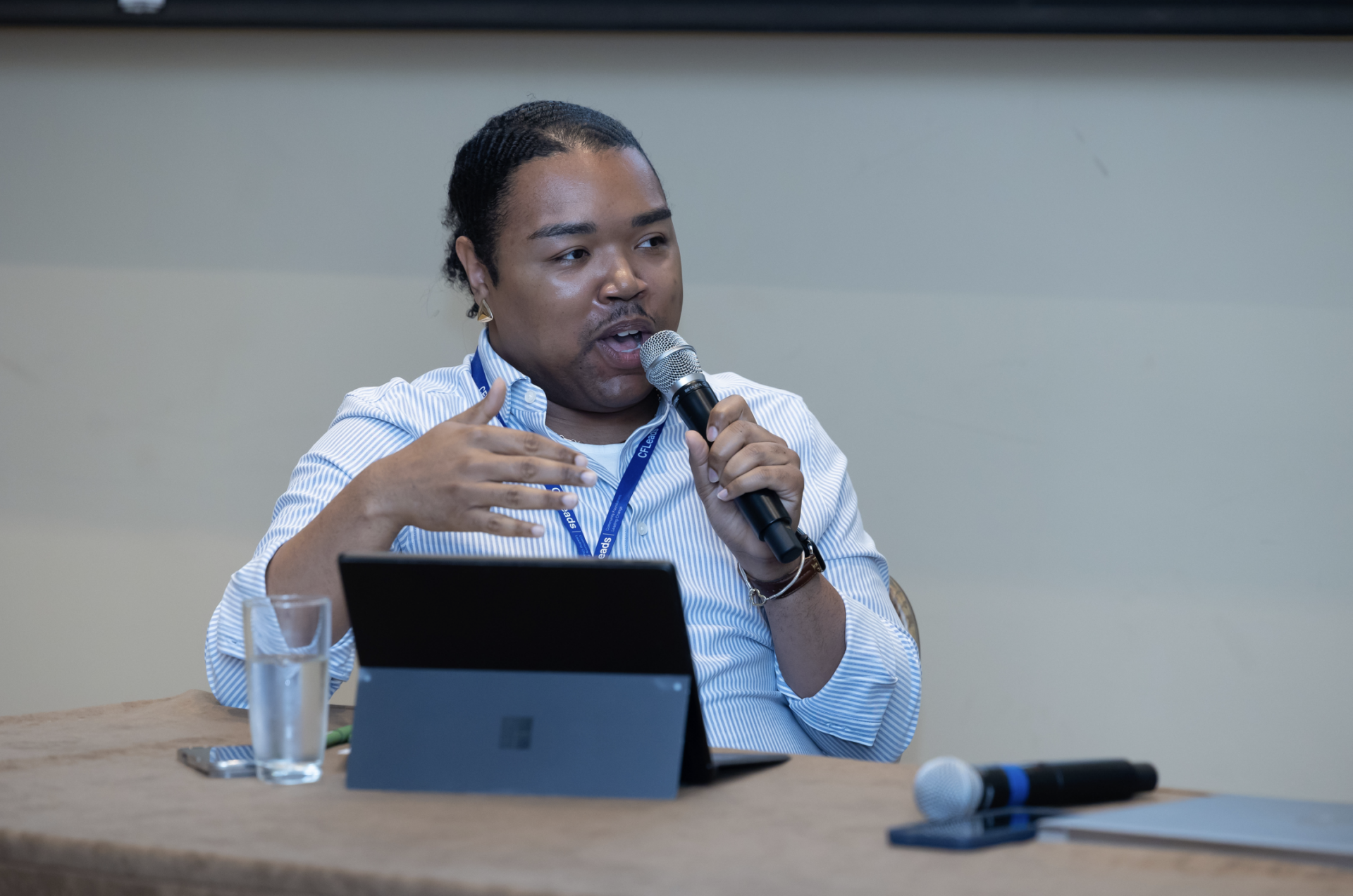
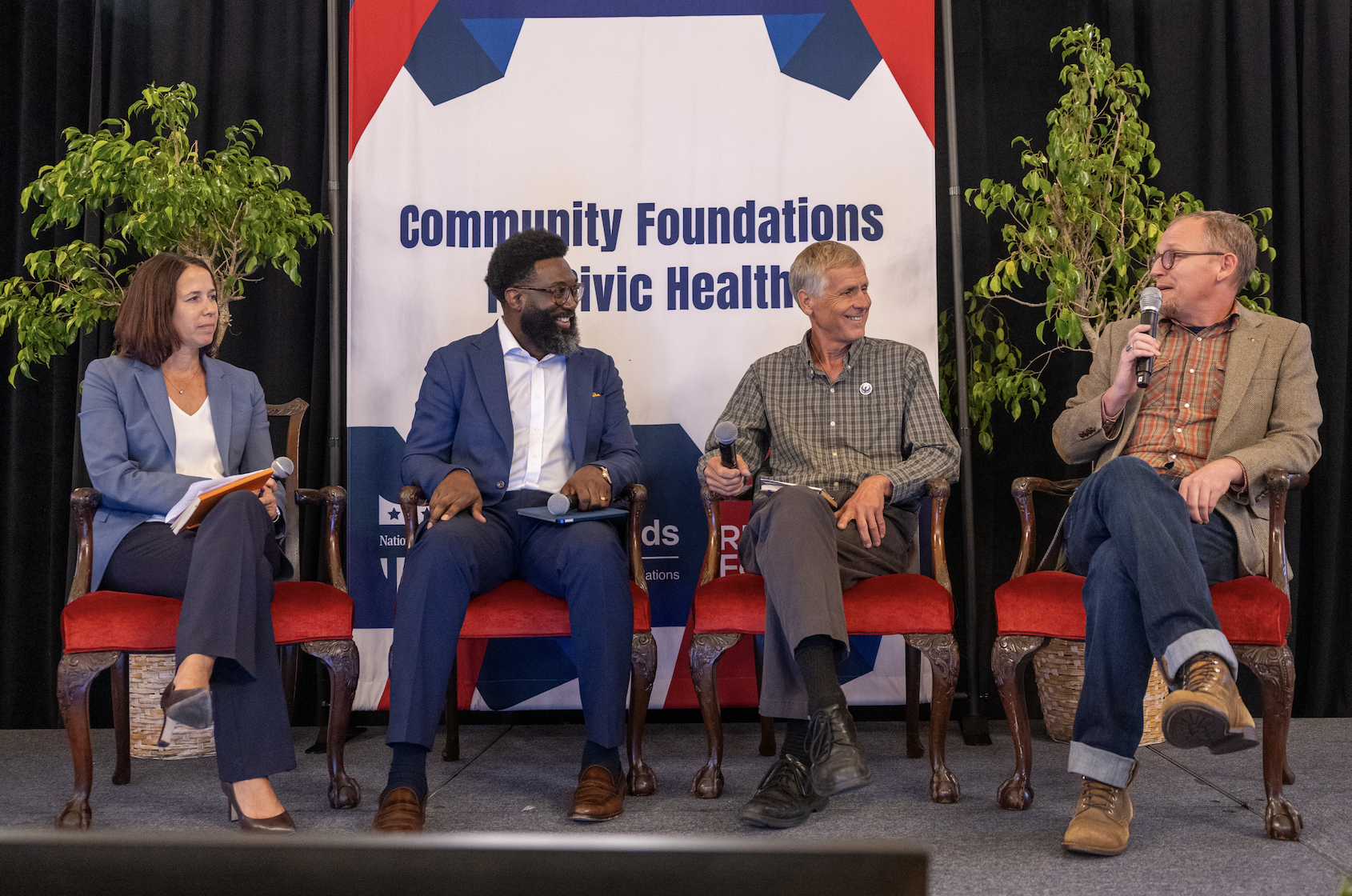
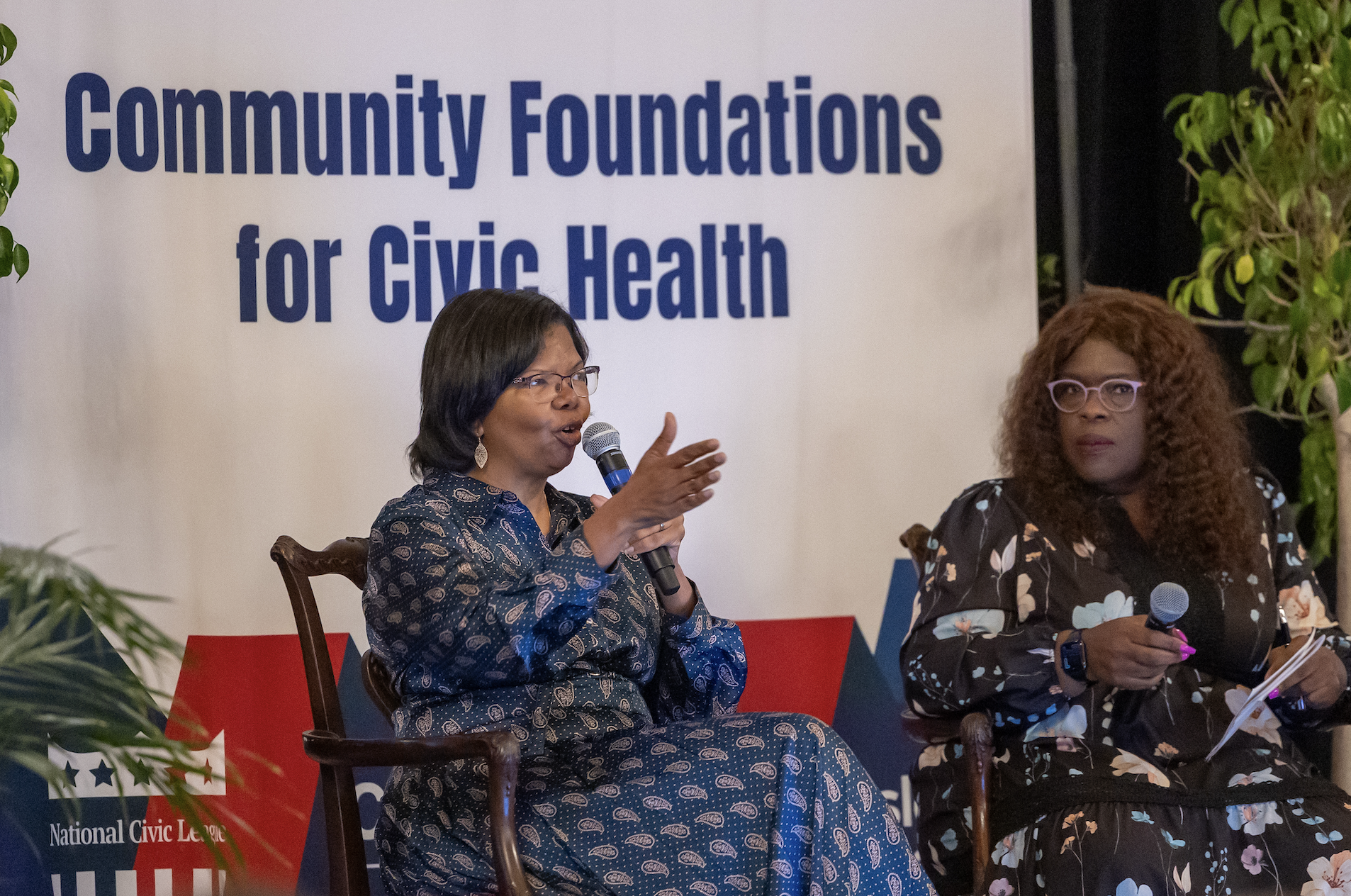
Community Foundations for Civic Health (CFCH) held its second annual national gathering on September 9-10 in Wilmington, DE, co-hosted by the Delaware Community Foundation. 136 participants gathered including 74 CEOs and senior staff from 46 community foundations, alongside 10 funders and 52 practitioners and partners, spanning 31 states, to explore how civic health strengthens communities and creates conditions for lasting impact.
About CFCH
CFCH launched in early 2025 as an initiative of CFLeads, the Rhode Island Foundation, the National Civic League, and other partners, and the initiative has been putting theory into practice since its inception. CFCH defines civic health as the strength of relationships among individuals, between people and institutions, and between residents and the places they live. The 2026 Summit modeled ways to strengthen all three levels of relationships.
How can we do that in a way that creates more relationships with more people every time we grant?
Designing with Community Foundations in Mind: Choice Points for CF Civic Health Work
The Summit was built around key choice points for community foundations launching or deepening their civic health work. Presentations showcased models of standalone programs like Project Connect: Civic Life & Belonging Grants out of the Community Foundation of South Puget Sound, and other models that are integrated into grantmaking such as at Rhode Island Foundation, in addition to a range of methods outlined on the Civic Health Wheel throughout an organizational strategic plan.
“Libraries are a public space. Your job is to make sure you’re prepare when everybody shows up.” Shamichael Hallman, Librarian and Director of Civic Health and Economic Opportunity, Urban Libraries Council
Sessions explored the link between civic, economic, and physical health. West Central Initiative shared the story of how small financial support enabled a network of people across a large rural Minnesota region to work together to access medicines after the closing of the local pharmacy. Shamichael Hallman of the Urban Libraries Council shared the story out of San Marcos, TX where a library converted space to include a STEM focused resource hub with an eye to professional training, while retaining areas for quiet, comfortable and safe places to read.
I’m curious, are we bold enough to use data to transform communities?
Presenters explored partnering with local government, using data from the community to inform practices with non-extractive methods, and how to choose local partners. The event touched on evaluation and funding, two topics that are focal points for the year to come.
“Trust isn’t built by simply asking people to participate more.” – Lourdes Acevedes, Director of Health and Wellbeing, National Association of Local Cities
Transparency, Complementarity and Bold Leadership: Exercising Trust with Funding Partners
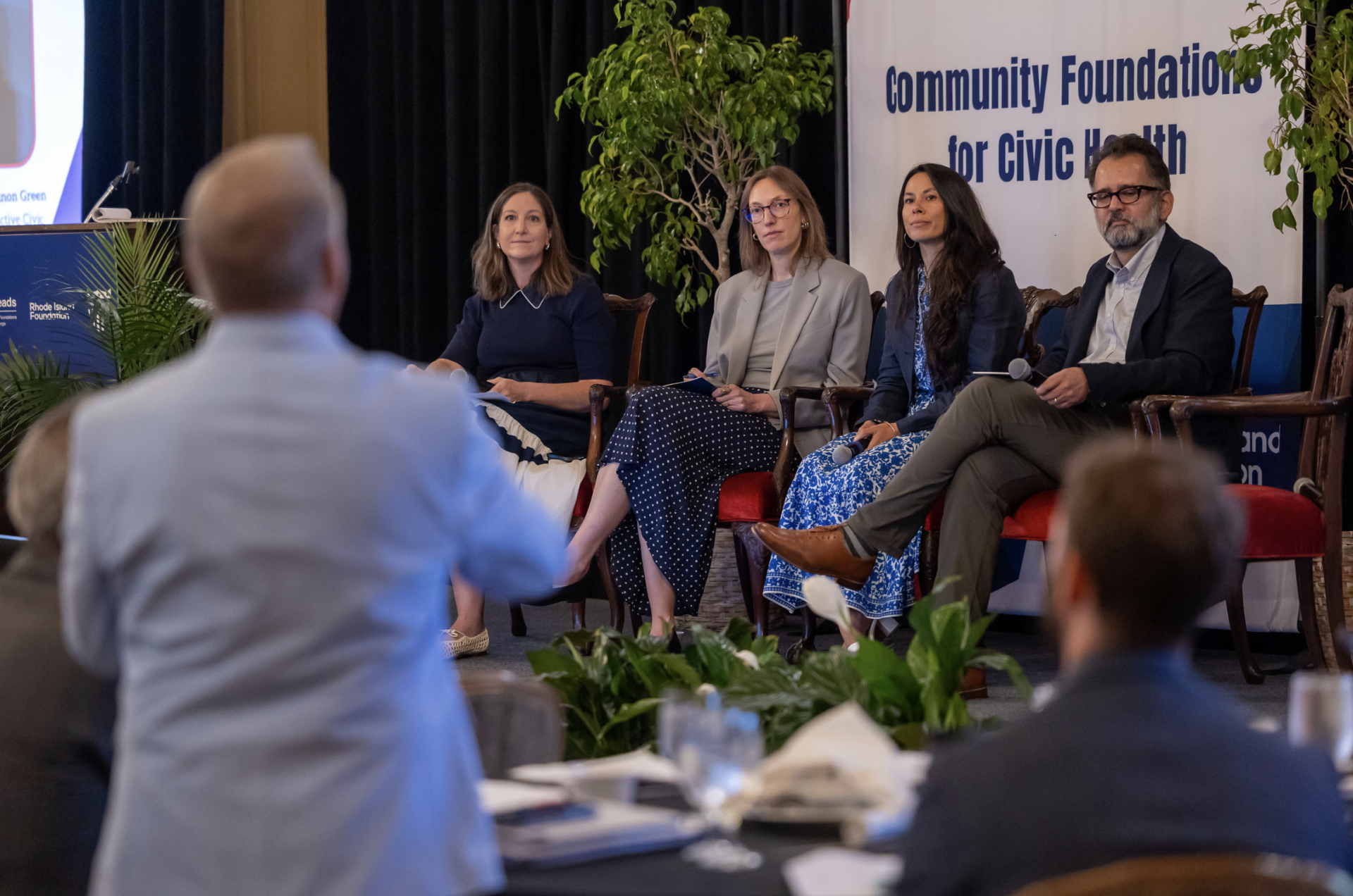
The Summit’s second day opened with a panel conversation with program officers from the Charles Stewart Mott Foundation, William & Flora Hewlett Foundation, and MacArthur Foundation, three funders who invested early on to take CFCH from an idea to a resourced catalyst. The schedule was crafted to foster mutual learning between national funders and community foundations, with an eye to one another’s priorities, constraints, and questions. As one participant shared, the plenary “with the national funders [offered] outstanding insights and refreshing candor.”
The commitment to transparency continued in a panel discussion between Community Foundations for Civic Health, Trust for Civic Life, and Council on Foundations, with each articulating their own framework and focal areas for civic health work, aimed at enabling community foundations to plug into the opportunities that best fit their organizations.
National funder and partner organizations participated in the full two days together, sharing stories, questions and observations. Strengthening civic health work is local, national, and narrative. Every community will benefit from deeper investment in civic health work, and there is enough work for all of us to do.
Localized Solutions at Scale
“Sometimes we plant because the soil is healthy. Other times we plan to help the soil heal.” -Jen Bailey, Executive Director, Dan and Margaret Maddox Fund
Community foundations are built for longevity, able to nurture local leadership, learn and share back with the community, and invest in ways that are not easily swayed by politics. Community foundations exercising community leadership are leveraging their power to do more than bring dollars into communities. They are convening, empowering, advocating, and connecting individuals and institutions to address pressing problems in communities and open up new possibilities. Community foundations strengthening civic health do this work in a way that builds knowledge, capacity and opportunity to participate in and shape our public life together.
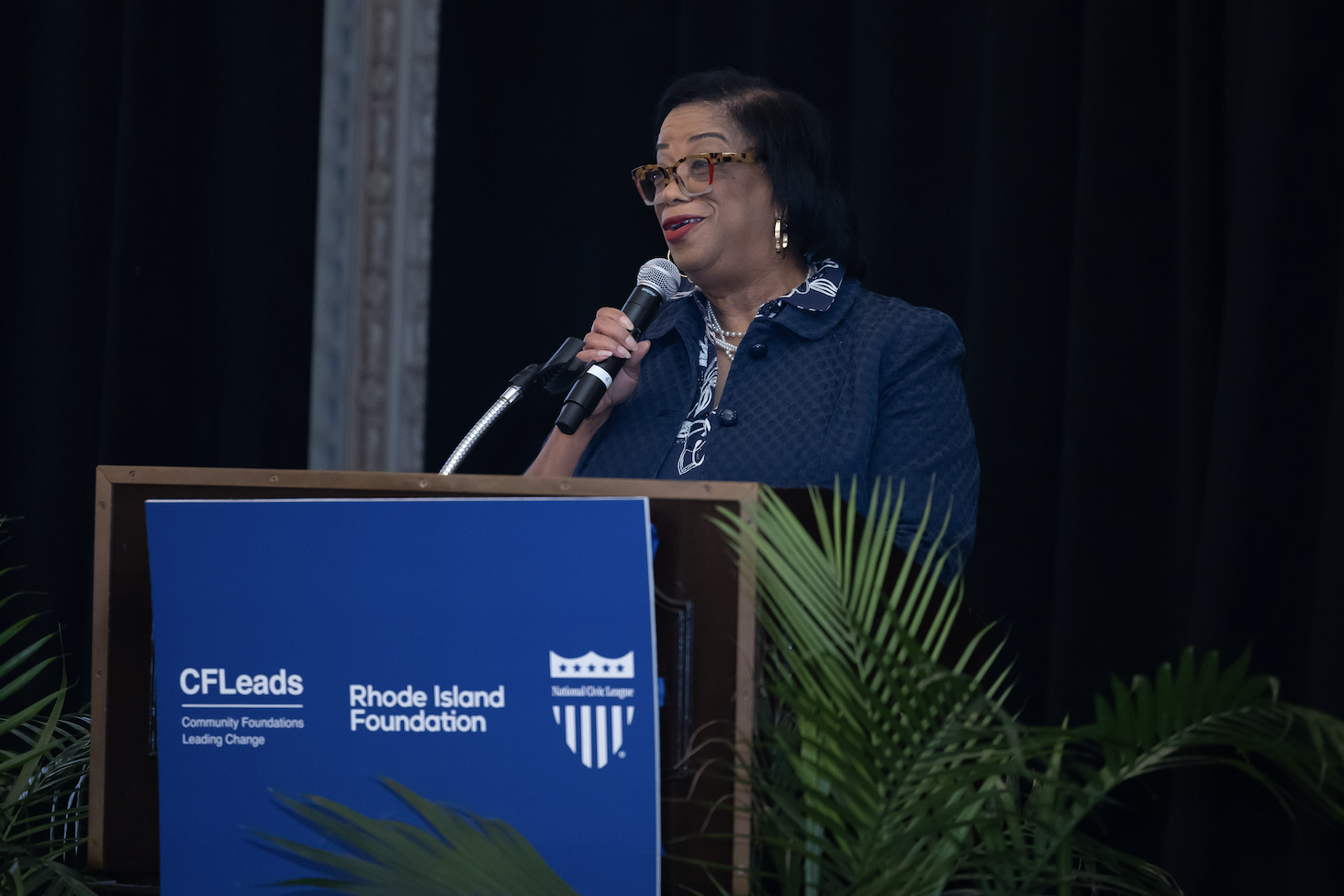
The 2026 Community Foundations for Civic Health Summit was filled with a room anchored in the needs and strength of communities across the U.S., and gathered to share insights in order to always be working smarter toward a healthy country. As Dale Anglin, Inaugural Director of Press Forward said in our closing keynote, “Philanthropy is the last bit of R&D left, so let’s go learn what works, share it widely, and continue to grow.”
When I consider this important work, community foundations are the best vehicles for building more common ground to focus on some of the most critical issues of our time. I am so encouraged by the movement we at CFLeads and our partners at the Rhode Island Foundation and the National Civic League are championing for a better future for all.
If you want to be part of this work as a community foundation, a donor, or a partner complete the form below, and a member of our staff will contact you.


