Community Foundations for Civic Health (CFCH) – an initiative of CFLeads, the Rhode Island Foundation, the National Civic League, and other partners – will enable all community foundations to confidently strengthen civic health, achieving local impacts at a national scale.
The initiative will help community foundations leverage community leadership to coordinate local efforts, build their own plans for civic health improvement, access resources to carry out this important work, and learn from one another.
What is civic health and why does it matter?
Civic health refers to the strength of relationships among individuals, between people and institutions, and between residents and the places they live. Strong, ongoing connections between residents, robust relationships between people and public institutions, and positive attachments between community members and the places they live are highly correlated with a range of positive outcomes, from better physical health to higher employment rates to better resilience in the face of natural disasters.
Civic health encompasses civic education, local journalism, volunteerism, bridge-building, participation in government, and many other activities that engender agency and trust among individuals and institutions.
Civic health is based on the civic readiness of individuals – the knowledge, beliefs, skills, and connections that people need to contribute to their communities and build common ground. Civic health also relies on residents having access to a range of civic opportunities – all the spaces and infrastructure supported by community foundations, governments, school systems, and other institutions. These opportunities allow people to learn, apply, and improve their civic readiness.
When these supports are weak, people of different backgrounds and political perspectives are less likely to communicate or work together, which exacerbates partisan polarization. When these supports are distributed inequitably, they deepen economic and social inequities.
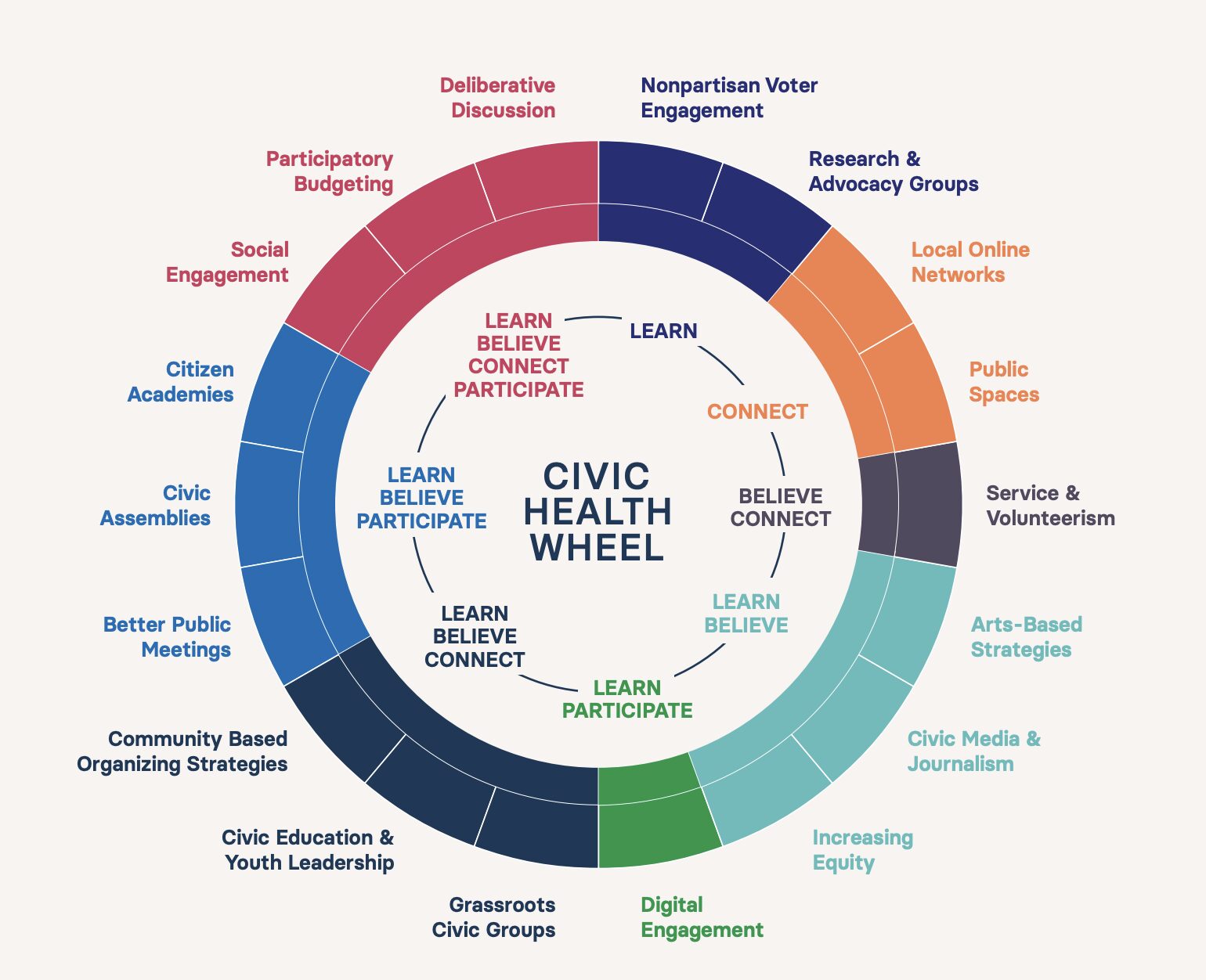
Civic Health Wheel
Our Work So Far
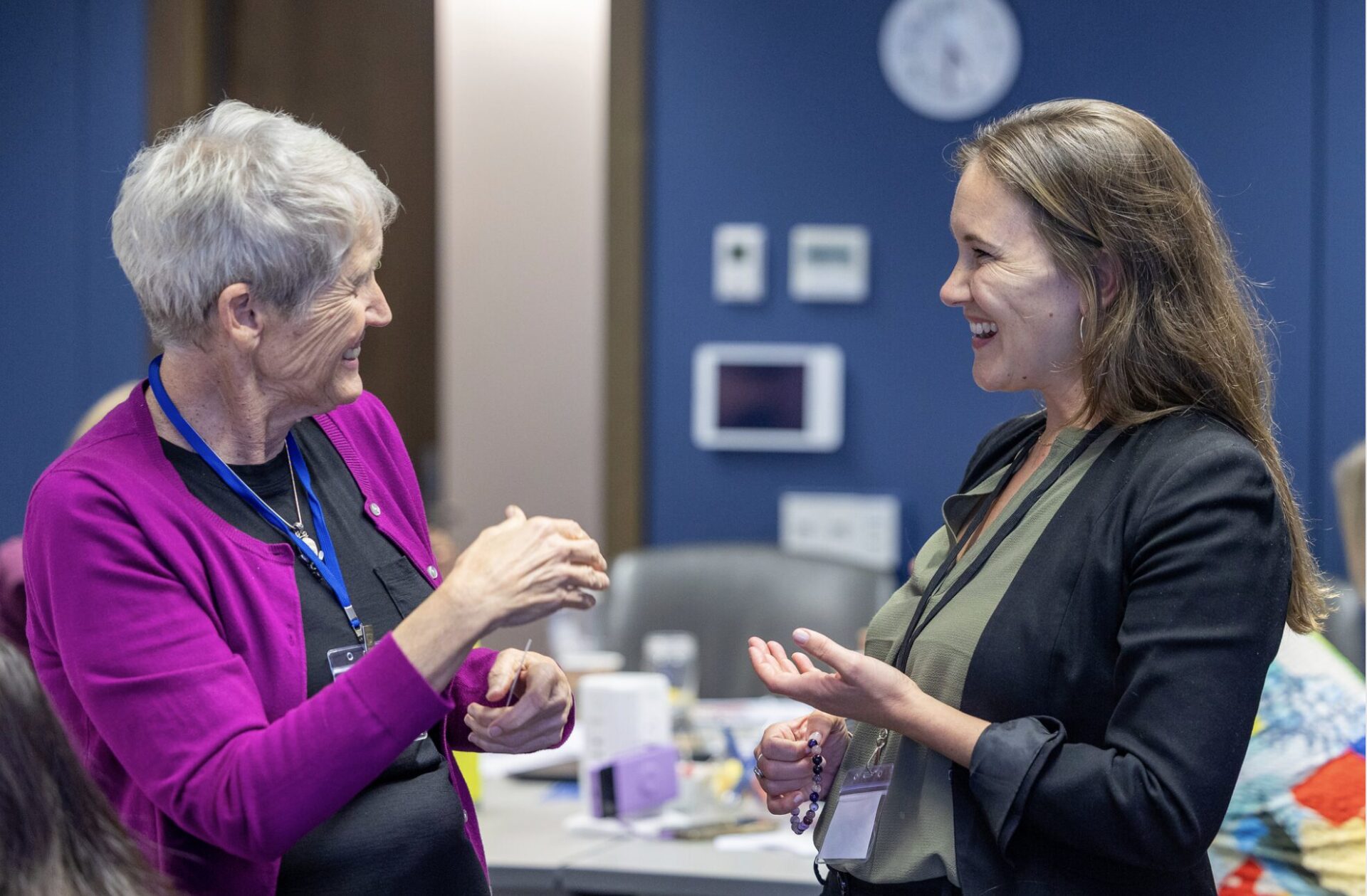
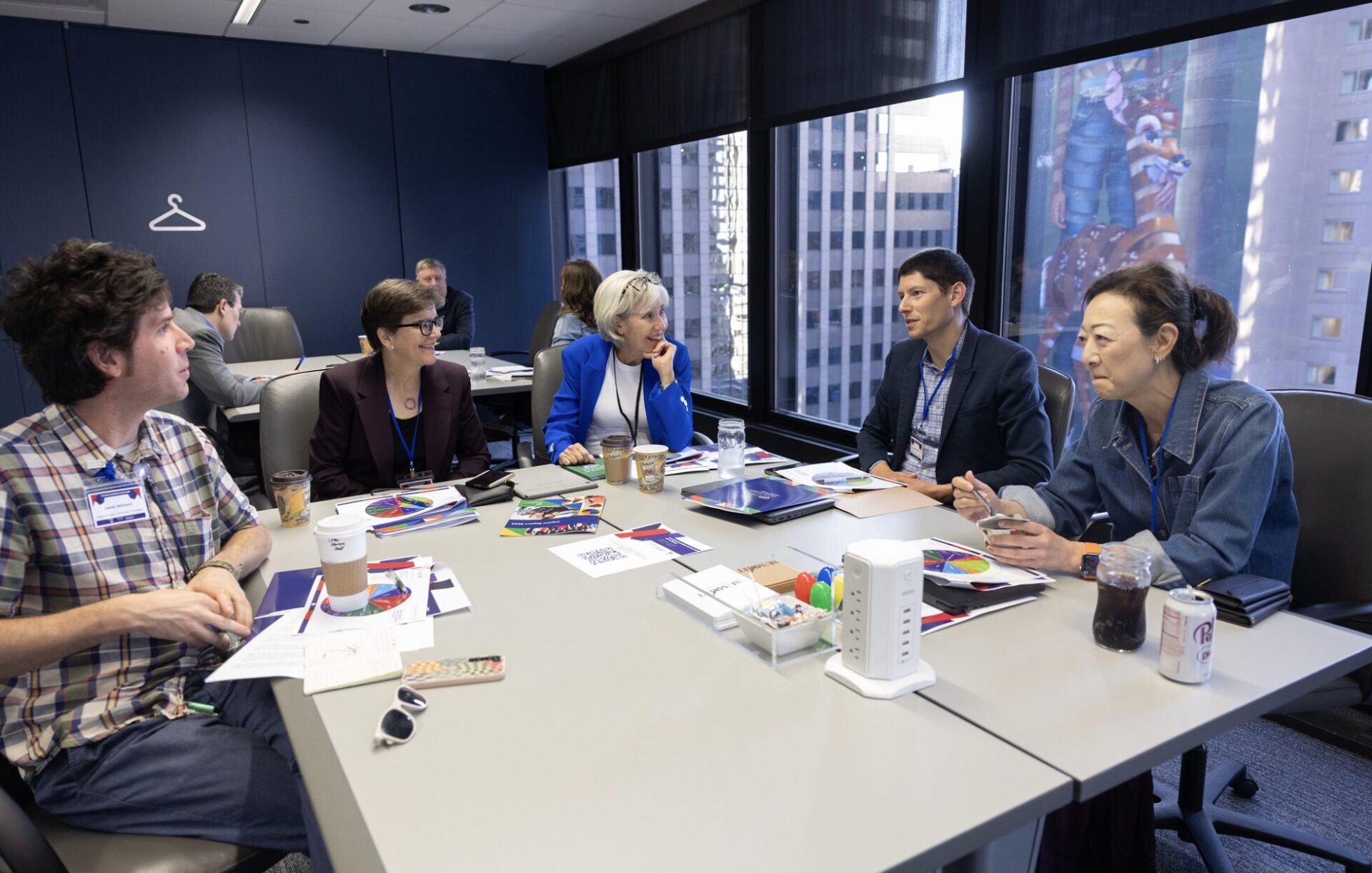
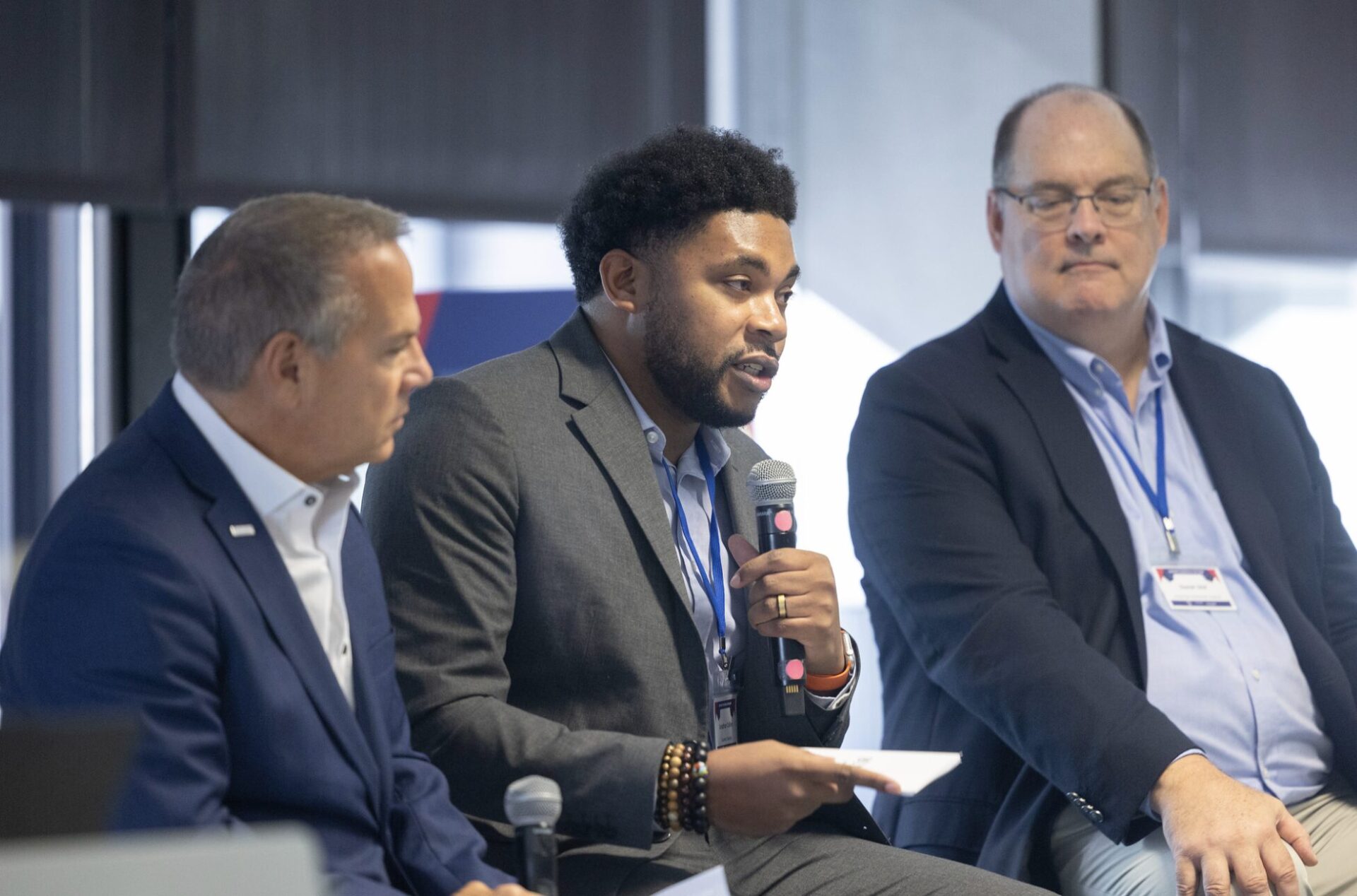
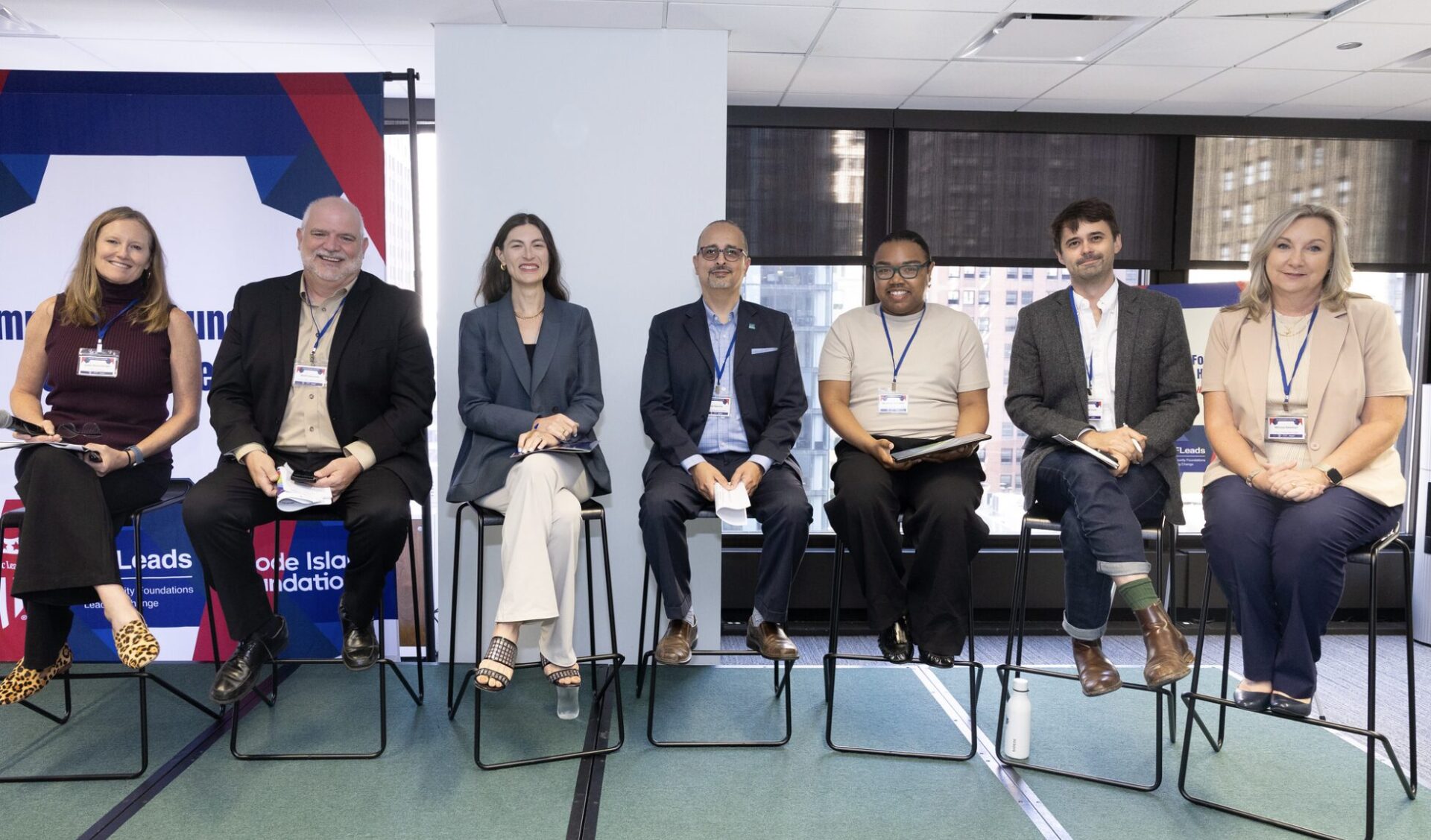
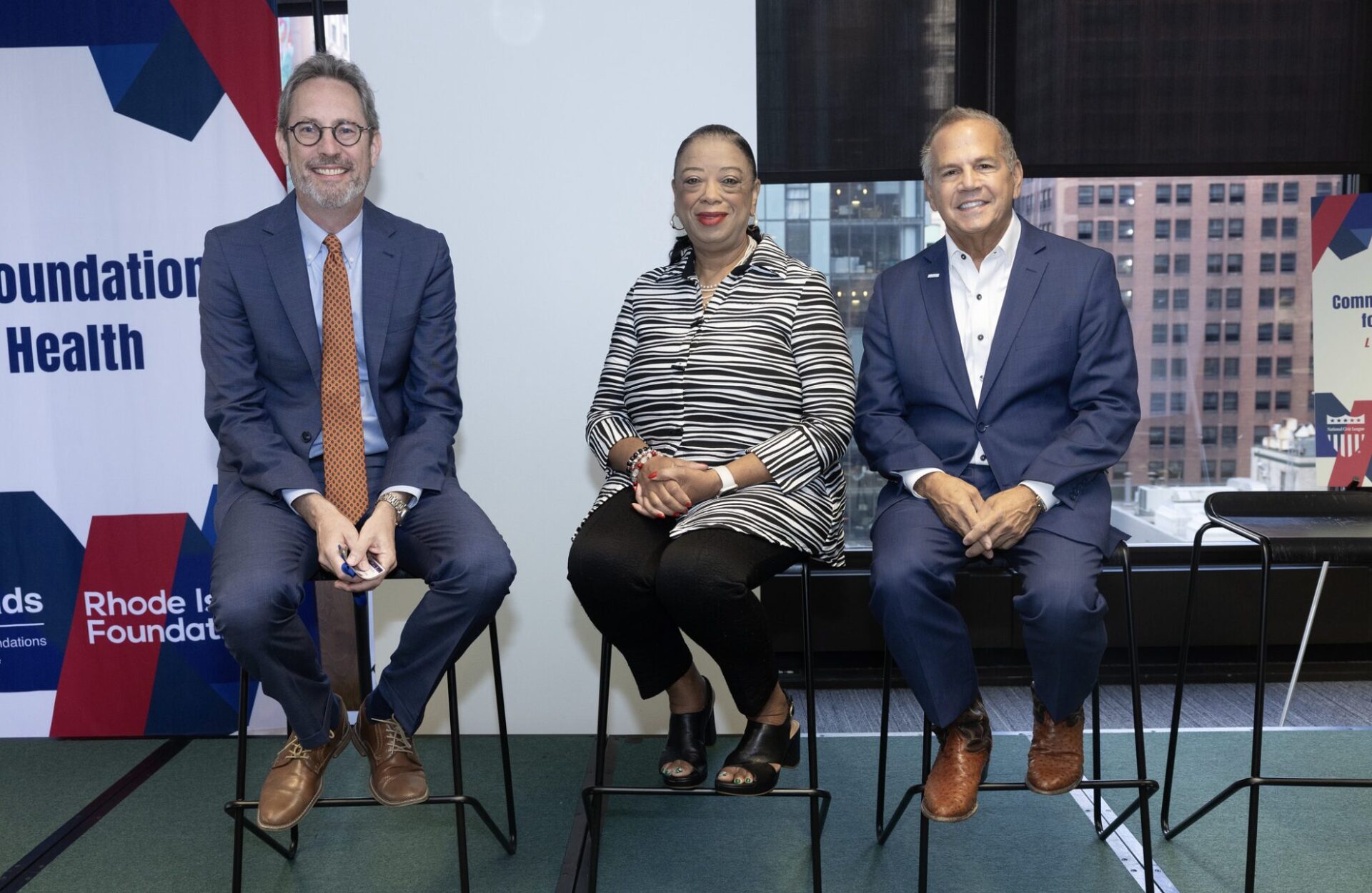
2025 was a year of learning for Community Foundations for Civic Health. We convened virtual sessions that attracted more than 100 community foundations and held an in-person summit in Chicago that was attended by more than 70 community foundation leaders. In all, we engaged 168 community foundations represented by 235 Chief Executive Officers and other leadership team members, which represents the involvement of foundations from 45 of the 50 U.S. States and more than 15% of all U.S. Community Foundations. This robust participation underscores unprecedented enthusiasm for civic health initiatives. The depth of engagement and practical ideas generated demonstrate that there isn’t just philosophical interest; there is excitement and readiness to learn and act.
Through our 2025 engagements, community foundations identified key barriers: limited unrestricted funding, the need for skill-building and network development, the difficulty of navigating language in polarized times, and impact measurement challenges.
Upcoming Opportunities
Community Foundations for Civic Health Annual Summit
📆 September 9 – 10, 2026 | 📍 Wilmington, DE
Hosted by Community Foundations for Civic Health, an initiative of CFLeads, the Rhode Island Foundation, and the National Civic League, the Civic Health Summit will bring together community foundation leaders, civic practitioners, and partners from across sectors to explore how civic health strengthens communities and creates conditions for lasting impact.
Participants will engage in conversations around civic participation, social cohesion, trust-building, and the unique role community foundations can play in fostering thriving civic ecosystems.
👥 Who Should Attend: Community foundation CEOs, staff, and board members
Community Foundations for Civic Health Virtual Learning Series
📍 Virtual | 📆 August 2026 – March 2027
Continue exploring the practices and principles that strengthen civic health through our ongoing virtual learning series. These sessions provide opportunities to hear from practitioners, explore emerging trends, and learn alongside peers committed to advancing civic engagement, trust, and community well-being.
Whether you’re new to civic health or building on existing work, these interactive sessions offer valuable tools and insights you can apply locally.
Registration for this series has closed, and the series is now at full capacity. We’re excited to offer another Virtual Learning Series in Spring 2027. If you’re interested in participating, please submit this interest form to be among the first to receive updates and registration information when the new series is announced.
Stay Connected to Civic Health Opportunities
Sign up to receive updates about the 2027 Civic Health Summit, Virtual Learning Series, grant opportunities, and other Civic Health news.
Support this work
We invite fellow philanthropic organizations, funders, and partners across sectors to join us. By working together to strengthen civic health, we can ensure that our communities are not only more resilient but also more equitable, inclusive, and capable of meeting the challenges of the 21st century. To learn more about supporting this work, please contact Sarah Aguirre Origer, Director of Partnerships and Innovation, at soriger@cfleads.org.